

 See My Latest Article on HelloNation
Which heating systems work well in Mount Laurel, NJ?
The right residential heating system depends on more than the fuel source or equipment price. Home size, insulation, existing ductwork, electrical capacity, comfort preferences, maintenance needs, and winter weather all affect whether a system will perform well.
Mount Laurel experiences cold winters with frequent below-freezing nights, but temperatures can vary considerably from one week to the next. A heating system should therefore handle sustained cold weather while also operating efficiently during milder periods. For many households, the most practical choices are a forced-air furnace, heat pump, boiler, or a dual-fuel system.
What are the main residential heating options?
The most common heating systems differ in how they distribute heat and how they use energy.
Gas or propane furnaces
A furnace heats air and sends it through ductwork to supply registers throughout the home. Natural gas is common in many neighborhoods, while propane may be used where utility gas is unavailable.
Advantages include:
- Fast response when the thermostat calls for heat
- Familiar operation and widely understood controls
- Compatibility with central air conditioning when ductwork is already installed
- Strong performance during very cold weather
A furnace may be less convenient in a home without existing ducts. Adding ductwork can require substantial alterations, especially in older homes, finished basements, additions, or houses with limited wall and ceiling space.
Electric furnaces
Electric furnaces use resistance heating to warm air. They can be installed in homes without gas service and may work with existing duct systems.
Their main drawback is operating cost. Resistance heat converts electricity directly into heat, but it generally uses more electricity than a heat pump for the same amount of heating. An electric furnace may still make sense where gas service is unavailable, equipment simplicity is a priority, or the system will be used only occasionally.
Air-source heat pumps
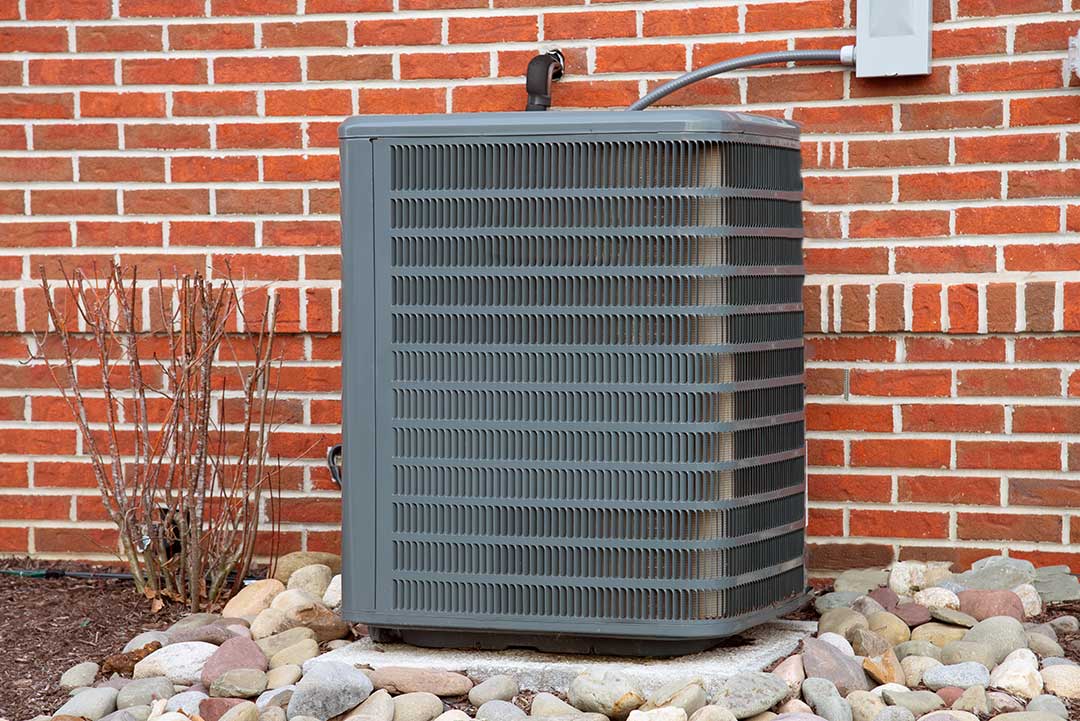
A heat pump transfers heat rather than creating it through combustion. In winter, it extracts heat from outdoor air and moves that heat indoors. In summer, the cycle reverses to provide air conditioning.
Heat pumps can provide efficient heating during much of a typical winter. Modern cold-climate models are designed to continue operating at lower outdoor temperatures, although efficiency and capacity decline as conditions become colder. Many systems include backup electric heat for periods when the heat pump cannot meet the full demand.
A heat pump is particularly practical when a home already has ductwork or when a ductless design is suitable for individual rooms or additions. Because the system provides both heating and cooling, it may reduce the need for separate equipment.
Boilers and hydronic heating
Boilers heat water and circulate it through baseboards, radiators, or radiant-floor tubing. Hydronic systems provide quiet, steady heat and do not blow air around the room.
However, boilers do not automatically provide central air conditioning. A home with a boiler may need a separate cooling system, such as ductless equipment or a central air system with its own ductwork. Existing radiators and piping also influence replacement choices.
Dual-fuel systems
A dual-fuel system combines a heat pump with a combustion furnace. The heat pump handles milder weather, while the furnace takes over when outdoor temperatures fall or when another fuel becomes more economical.
This arrangement can provide flexibility, but it includes more controls and components. Proper setup matters because the changeover temperature should reflect local weather, energy prices, equipment capacity, and household preferences.
How should a homeowner compare heating fuels?
The lowest purchase price does not always result in the lowest long-term cost. Compare systems using several categories:
- Equipment and installation cost
- Expected service life
- Energy prices and availability
- Seasonal efficiency
- Maintenance requirements
- Noise and indoor comfort
- Backup heat needs
- Compatibility with existing cooling equipment
- Space required for equipment and storage
Gas and propane systems require combustion venting and safety controls. Electric systems avoid combustion inside the home but may place greater demand on the electrical service. Heat pumps use electricity and can be highly efficient, but their performance depends on correct sizing and installation.
Energy prices also change over time. A system that appears inexpensive to operate under current rates may not remain the least expensive option throughout its life. Comparing seasonal performance and total operating patterns is more useful than relying on a single utility bill estimate.
Is a heat pump suitable for cold winters?
Yes, a properly selected heat pump can heat a home through a cold winter, but the details matter. Not every heat pump has the same low-temperature capacity, and not every house has the same heat loss.
A heat pump evaluation should account for:
- The home’s insulation and air leakage
- Window condition and orientation
- Room-by-room heating demand
- Outdoor design temperatures
- The system’s capacity at low temperatures
- The need for supplemental or backup heat
- Defrost-cycle behavior
- Electrical panel capacity
A common misconception is that a heat pump cannot work in freezing weather. In reality, it can operate below freezing, although it may need longer run times and supplemental heat during the coldest conditions. Another misconception is that a larger heat pump is automatically better. Oversizing can cause short cycling, uneven temperatures, unnecessary wear, and reduced humidity control during cooling season.
How important is system sizing?
Correct sizing is one of the most important factors in heating performance. A system that is too small may run continuously and struggle to maintain the thermostat setting. A system that is too large may start and stop frequently without distributing heat evenly.
Sizing should be based on a heat-loss calculation rather than square footage alone. The calculation considers insulation, windows, doors, ceiling height, building orientation, air leakage, and the local winter design temperature.
Square-footage rules can be useful for rough comparisons, but they are not precise enough for final equipment selection. Two homes with the same floor area may need very different heating capacities because of construction age, insulation quality, additions, or exposure to wind.
Should existing ductwork influence the decision?
Existing ductwork can strongly affect which heating system is practical. Ducts that are too small, poorly sealed, or unbalanced can cause noisy operation, weak airflow, and uneven temperatures.
Before reusing ducts, check for:
- Restricted airflow
- Leaky connections
- Uninsulated sections in unheated areas
- Poor return-air capacity
- Registers blocked by furniture or flooring
- Rooms that have historically been too warm or too cold
A high-efficiency furnace or heat pump cannot compensate fully for inadequate air distribution. In some homes, improving return airflow or sealing accessible duct joints may provide more comfort than simply installing larger equipment.
What heating choice fits different home situations?
A home with functional ducts and gas availability may be well suited to a gas furnace, heat pump, or dual-fuel system. A home without ducts may be better suited to a boiler, ductless heat pump, or a combination of smaller systems serving separate zones.
Older homes often require a broader evaluation because insulation, windows, electrical service, and existing radiators may all influence the decision. Finished basements and additions can also create separate heating needs that a single central system may not address efficiently.
Households with indoor air-quality concerns may prefer hydronic heat because it does not circulate air through ductwork. Households seeking both heating and cooling from one system may favor a heat pump.
What questions should be asked before replacing a heating system?
Before choosing equipment, ask:
- What type of system is installed now, and what problems does it have?
- Is the home connected to natural gas, or would another fuel be required?
- Are the ducts, radiators, or electrical service suitable for reuse?
- Which rooms have comfort problems?
- How much backup heat is acceptable?
- Is low noise a priority?
- Does the household prefer steady heat or fast temperature recovery?
- How will maintenance access be handled?
- Will future insulation or window improvements change the heating load?
Safety and code requirements also matter. Combustion equipment requires proper venting, fuel connections, carbon-monoxide protection, and adequate clearance. Electrical equipment must be matched to the available service. These issues should be verified before installation rather than after equipment has been selected.
The most suitable system is the one that matches the home’s heat loss, distribution method, energy availability, comfort expectations, and long-term budget. In the local climate, careful sizing and practical system design generally matter more than choosing equipment based on capacity ratings alone.