

 See My Latest Article on HelloNation
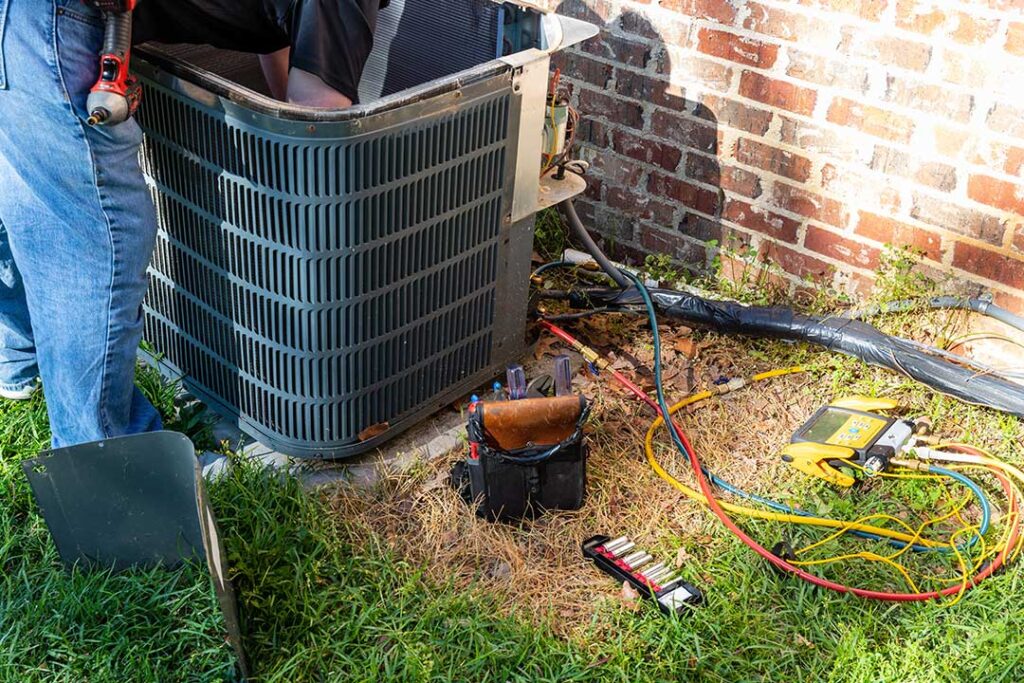
Heat pumps can heat and cool a home using the same basic refrigeration process. Instead of creating heat by burning fuel, an air-source heat pump moves available heat between the outdoors and indoors.
For households in Mount Laurel, NJ, this technology can be useful because the heating system must handle both mild winter days and occasional freezing conditions. Understanding how the equipment works makes it easier to interpret thermostat settings, outdoor-unit behavior, operating costs, and maintenance needs.
What does a heat pump do?
A heat pump transfers heat from one location to another. In cooling mode, it removes heat from the home and releases it outdoors. In heating mode, it reverses the process and brings heat from outdoor air into the house.
Even cold outdoor air contains heat energy. The heat pump uses refrigerant, a compressor, indoor and outdoor coils, and an expansion device to collect and move that energy.
The system is not making heat in the same way as a gas furnace or electric resistance heater. It is using electricity primarily to operate the compressor and fans that move heat.
How does a heat pump heat a home?
In heating mode, the outdoor coil acts as the heat-collecting surface. Refrigerant circulating through that coil becomes colder than the outdoor air, allowing it to absorb heat.
The basic process is:
- The outdoor coil extracts heat from the air.
- Refrigerant absorbs that heat and changes from a low-pressure liquid into a gas.
- The compressor raises the refrigerant’s pressure and temperature.
- The hot refrigerant travels to the indoor coil.
- Indoor air passes over the warm coil and enters the home through ductwork or an indoor wall-mounted unit.
- The refrigerant cools, changes back toward a liquid, and returns outside to repeat the cycle.
The air coming from the vents may feel less hot than air from a furnace. That does not necessarily mean the system is malfunctioning. Heat pumps often deliver a steady stream of moderately warm air rather than short bursts of very hot air.
How does the same system provide air conditioning?
Cooling mode reverses the direction of refrigerant flow. A component called a reversing valve changes which coil absorbs heat and which coil releases it.
During cooling:
1. The indoor coil absorbs heat from the air inside the home.
2. The refrigerant carries that heat to the outdoor unit.
3. The outdoor coil releases the heat into the surrounding air.
4. The indoor blower circulates cooler air through the home.
The process also removes moisture from indoor air as warm, humid air passes over the cold indoor coil. That can improve comfort during humid summer weather, although equipment sizing and airflow strongly affect how well humidity is controlled.
Why does the outdoor unit sometimes steam or stop?
Frost can form on the outdoor coil during heating, particularly when outdoor air is cold and damp. A small amount of frost is normal. If too much ice builds up, it blocks airflow and reduces the system’s ability to absorb heat.
To clear the coil, the heat pump enters a defrost cycle. The reversing valve temporarily shifts the system into cooling operation, sending warm refrigerant through the outdoor coil. The outdoor fan may stop, and vapor may rise from the unit as frost melts.
A defrost cycle commonly lasts only several minutes. During that time, auxiliary heat may operate indoors to prevent a noticeable drop in room temperature.
Persistent heavy ice, a unit that never leaves defrost mode, or blocked airflow requires prompt attention because those conditions can damage the system or leave the home without adequate heat.
Can a heat pump work during a Mount Laurel winter?
Yes, but performance depends on the equipment, system design, outdoor temperature, insulation, ductwork, and thermostat controls.
Modern cold-climate heat pumps are designed to maintain useful heating capacity at lower outdoor temperatures than older models. However, all air-source heat pumps lose some heating capacity as outdoor temperatures fall. Electricity use may also rise because the compressor works harder.
Some homes use a dual-fuel arrangement. In that setup, the heat pump provides heating during moderate conditions, while a gas or oil furnace assists or takes over during colder weather. Other homes use electric auxiliary heat, commonly called strip heat, when the heat pump cannot meet the heating demand on its own.
The changeover point should be based on equipment performance, utility rates, comfort preferences, and the home’s heating requirements—not on a universal temperature that applies to every household.
What is auxiliary or emergency heat?
Auxiliary heat is supplemental heat that operates automatically when the heat pump needs help. It may use electric resistance heating or another connected heating source.
Emergency heat is a thermostat setting intended for situations in which the heat pump cannot operate, such as a major outdoor-unit failure. It normally bypasses the heat pump and activates the backup heat source directly.
Emergency heat is not a faster version of normal heating. Using it unnecessarily can consume more energy, especially when the heat pump itself is operating properly.
Are heat pumps different from central air conditioners?
A heat pump and a central air conditioner use similar components for cooling. The major difference is that a heat pump includes a reversing valve, allowing it to move heat in either direction.
A central air conditioner can cool a home but cannot heat it. A heat pump can generally provide both functions, which may reduce the need for separate heating and cooling equipment.
Ductless mini-split heat pumps use the same basic principle without requiring a full network of ducts. They can be useful for additions, finished spaces, older homes, or rooms that are difficult to connect to existing ductwork.
What affects heat pump performance in a home?
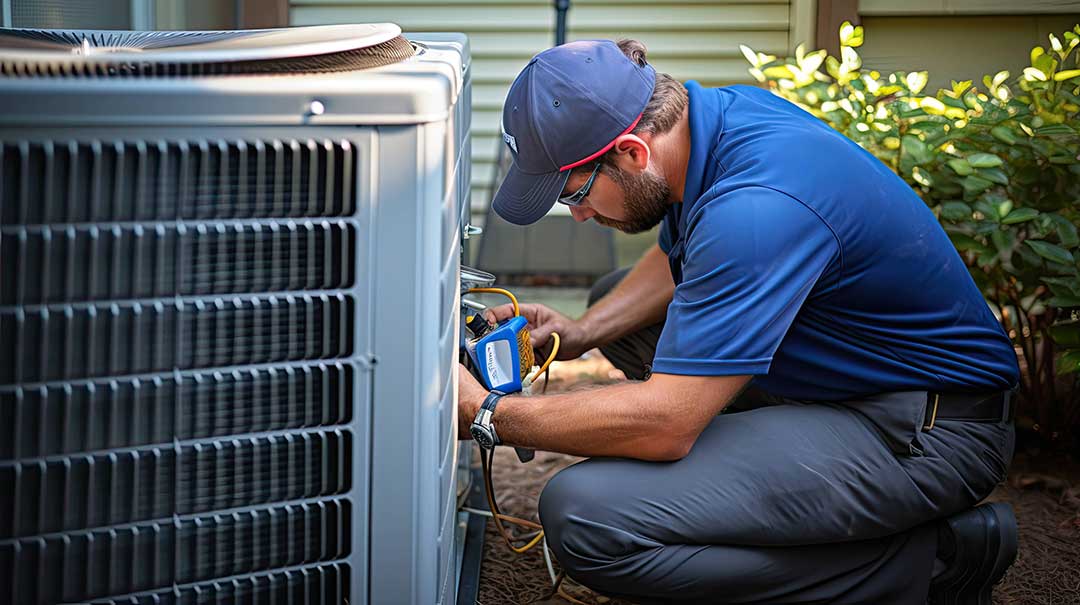
The equipment is only one part of the system. Performance also depends on:
- Correct sizing for the home’s heating and cooling load
- Sealed and insulated ductwork
- Adequate airflow through filters, grilles, and coils
- Proper refrigerant charge
- Insulation and air sealing around the building envelope
- Thermostat settings and control programming
- Clear space around the outdoor unit
Oversized equipment may cycle too frequently and provide weaker humidity control. Undersized equipment may run for long periods and rely heavily on auxiliary heat during cold weather.
In homes with older duct systems, uneven airflow or leaky ducts can limit comfort even when the heat pump is operating correctly.
What maintenance does a heat pump need?
Routine care helps preserve airflow and efficiency. Residents can usually monitor several basic items:
- Replace or clean the air filter according to its condition and the manufacturer’s instructions.
- Keep leaves, grass, snow, and other debris away from the outdoor unit.
- Avoid enclosing the unit with objects that restrict airflow.
- Keep supply registers and return grilles open and unobstructed.
- Check that condensate drains are not overflowing during cooling season.
- Pay attention to unusual sounds, repeated short cycling, weak airflow, or large temperature differences between rooms.
Refrigerant work, electrical repairs, coil cleaning that requires disassembly, and equipment adjustments involve specialized procedures and should be handled by a qualified technician. Electrical panels and refrigerant circuits can present serious hazards.
What should residents expect from a heat pump?
A heat pump may run for longer periods than a furnace, especially during cool weather. Longer, steadier cycles are often normal and can help maintain consistent temperatures.
The outdoor unit may make a brief whooshing sound during defrost. Cool or lukewarm air from the vents can also occur temporarily during that cycle.
The most useful warning signs are not simply “the system is running a lot.” More meaningful concerns include a sudden change in operating behavior, inadequate indoor temperature, unusual odors, ice that does not clear, water leaks, or a sharp increase in electricity use.
Understanding those normal and abnormal patterns helps households distinguish ordinary heat pump operation from conditions that need further investigation.